In recent years, more people have begun looking for training that genuinely prepares them for real‑world self‑defense and the physical demands of mixed martial arts. Krav Maga often enters the conversation because of its reputation as a “street‑ready” system developed for military use. However, when we look closely at how skills are developed, tested, and refined, modern combat sports such as Brazilian Jiu‑Jitsu, Muay Thai, wrestling, and MMA consistently produce more reliable, adaptable, and pressure‑tested abilities. At SBG Scarborough, we see this every day: the training methods used in combat sports simply create better fighters and safer, more capable everyday adults.
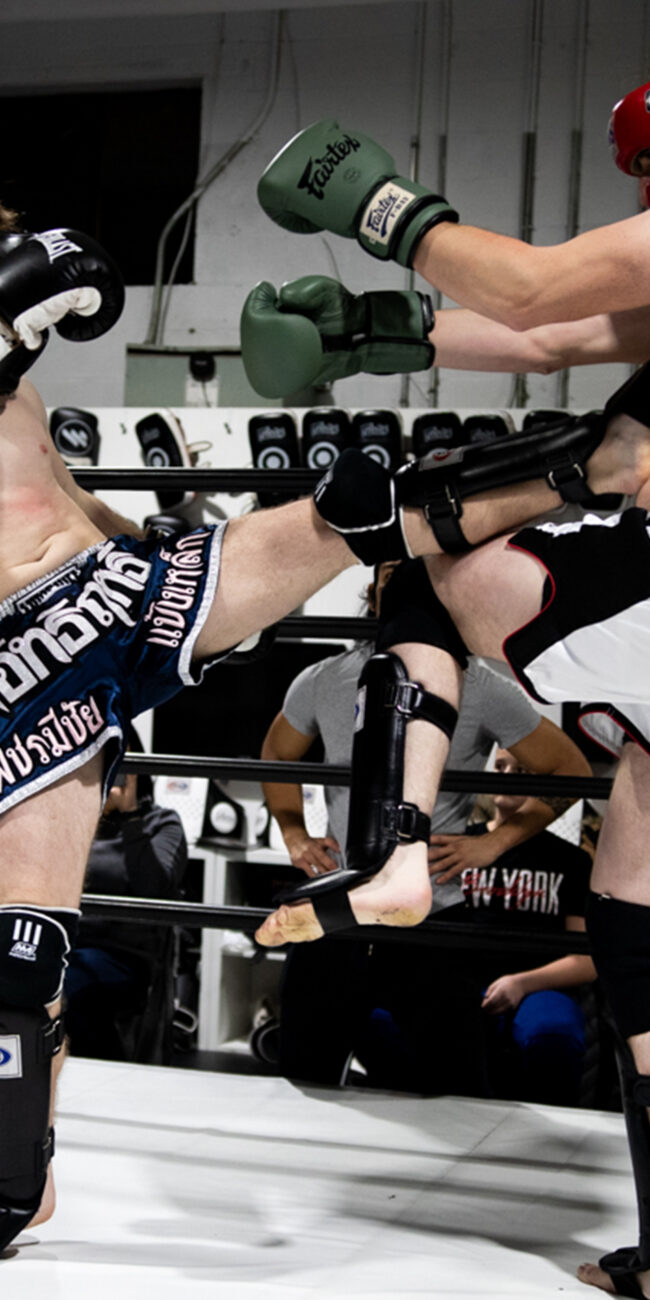
The most significant difference lies in training methodology. Combat sports rely on live resistance — opponents who actively try to counter, escape, strike, or submit you. This dynamic environment forces students to develop timing, pressure, distance management, and emotional regulation under stress. These are the exact conditions of real violence. Krav Maga, by contrast, often relies on choreographed drills and compliant partners. While these drills may feel intense, they rarely replicate the unpredictability of a resisting opponent. Without resistance, students may gain confidence, but not the competence needed when a situation becomes chaotic.
Effective self‑defense is born from adaptability, not memorized scenarios.
Another advantage of combat sports is the global pressure‑testing of techniques. Every movement used in BJJ, Muay Thai, wrestling, and MMA is constantly evaluated in sparring rounds, competition, and training rooms around the world. Ineffective techniques disappear quickly; effective ones spread. This evolutionary process ensures that what students learn is functional, not theoretical. Krav Maga techniques, on the other hand, are not subjected to this same level of scrutiny. Many techniques look impressive in demonstrations but break down when an opponent refuses to cooperate.
Combat sports also build real physical and psychological attributes. Strength, cardio, balance, grip fighting, positional awareness, and calmness under pressure are not optional — they are built naturally through training. These attributes matter far more in real‑world self‑defense than memorizing a long list of “solutions” to hypothetical scenarios. Combat sports create athletes who can adapt, improvise, and stay composed. Krav Maga often focuses on rehearsed responses without developing the underlying attributes needed to apply them.
At SBG Scarborough, we train skills that work — not theories that collapse under pressure.
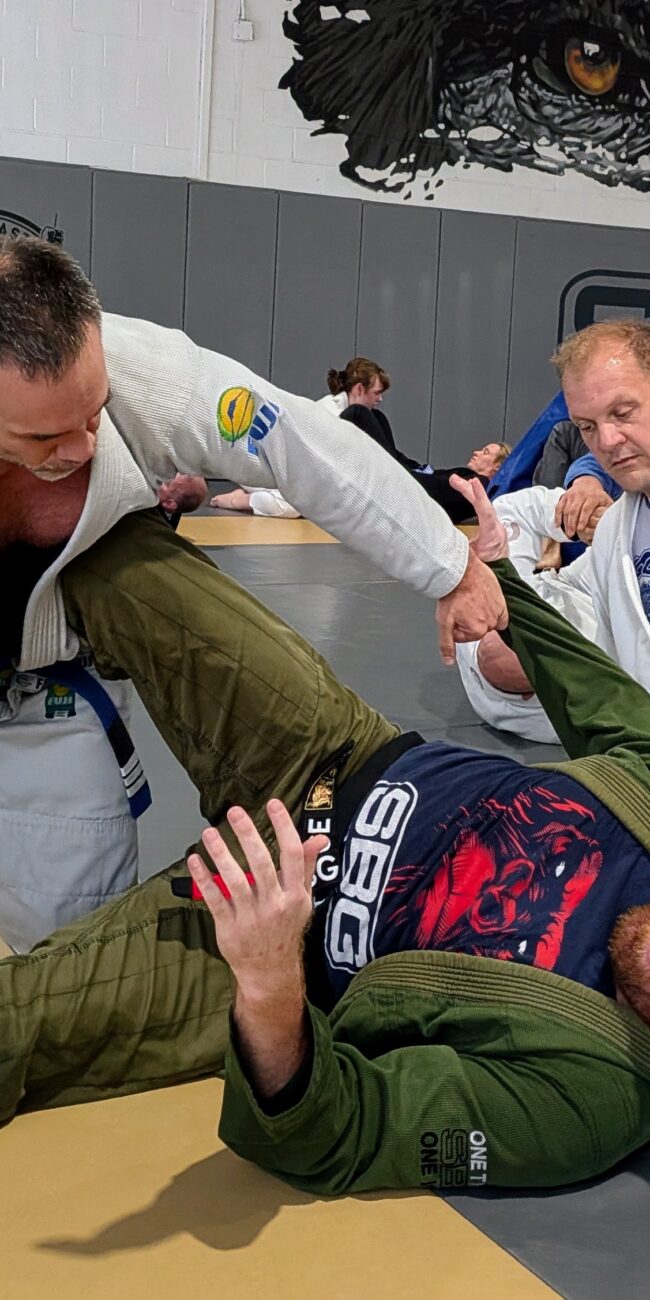
The ground is another critical factor. Most real fights end up on the ground, and modern combat sports dominate this domain. Brazilian Jiu‑Jitsu and wrestling teach takedowns, escapes, submissions, scrambles, and safe ways to stand back up. These skills are essential for anyone who wants to protect themselves. Many Krav Maga programs barely train ground fighting, leaving students unprepared for one of the most common realities of physical confrontation.
Even sparring is handled more effectively in combat sports. Contrary to the belief that Krav Maga is “too dangerous” to spar, combat sports sparring is safer because it is structured and progressive. Students use protective gear, controlled intensity, and clear rules that allow realism without unnecessary injury. This means they can train live every week. Krav Maga often avoids sparring entirely or uses chaotic drills that create injuries without building skill.
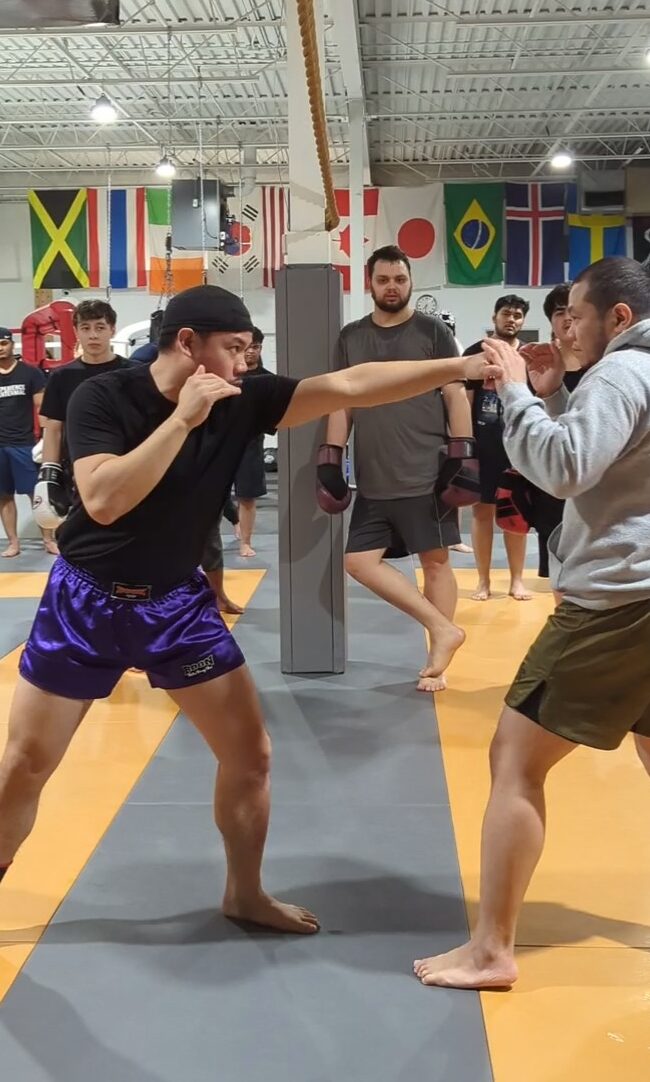
What makes SBG Scarborough truly special is how all of this blends together. Women from every background — beginners, competitors, students, professionals, moms — train side by side, pushing each other, laughing together, and celebrating every milestone. The friendships built on the mats extend far beyond them. The support is genuine. The culture is inclusive. And the sense of belonging is real.
Modern combat sports outperform Krav Maga because they’re tested under real pressure.
MMA serves as the ultimate laboratory for functional self‑defense. It blends striking, clinch work, wrestling, and ground fighting in a way that mirrors real‑world unpredictability. If a technique works in MMA, it works in real life. If it fails in MMA, it likely fails everywhere. This is why modern combat sports have become the global standard for functional training.
Finally, combat sports build confidence that is earned through experience. When you’ve tested your skills against resisting partners, you know what you can do. That confidence is grounded in reality. Krav Maga often produces confidence based on drills rather than live performance, and false confidence can be dangerous.
In the end, the goal of self‑defense training is simple: develop skills that work under pressure. Modern combat sports achieve this through live resistance, global pressure‑testing, attribute development, structured sparring, and a training environment that rewards adaptability. At SBG Scarborough, we are committed to providing training that is functional, safe, and proven. Whether your goal is self‑defense, fitness, or competition, combat sports offer the most reliable path to real skill — and real confidence.