For decades, Karate occupied a familiar place in North American childhood. It was the martial art parents enrolled their kids in when they wanted discipline, structure, and a safe after‑school activity. The white uniforms, the coloured belts, the tidy rows of children practicing choreographed movements — it all felt reassuring. Karate became a cultural default, especially in communities like Scarborough, where parents sought programs that were predictable, organized, and easy to understand.
But as martial arts evolved, and as adults began seeking training for themselves rather than just for their children, something became increasingly clear: the skills taught in traditional Karate often didn’t translate well to real‑world self‑defense or modern athletic development. Meanwhile, combat sports like Muay Thai and Brazilian Jiu‑Jitsu (BJJ) surged forward, offering something Karate never fully embraced — live resistance, functional technique, and training methods grounded in reality rather than ritual.
The difference between these arts isn’t philosophical. It’s practical.
Muay Thai and BJJ aren’t just more practical than Karate — they’re more honest.
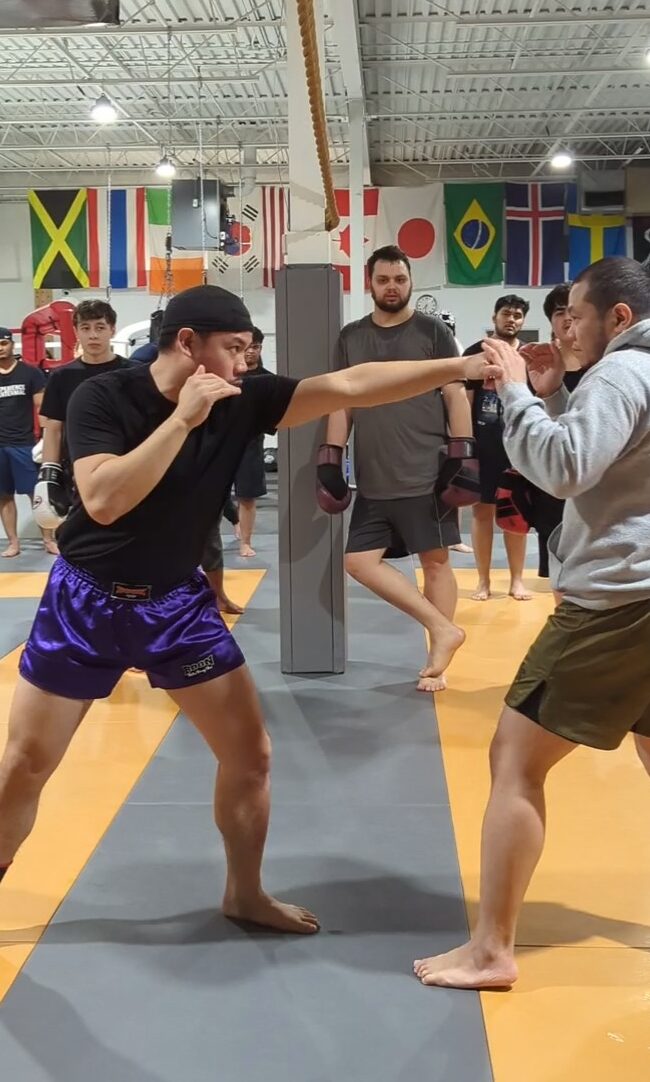
Karate was built on forms, patterns, and point‑based sparring. Students learn how to perform techniques in the air, or against partners who are cooperating. The training is structured, but it’s also predictable. Movements are memorized rather than tested. The opponent behaves the way the drill expects them to behave. And while this can be valuable for coordination and discipline, it doesn’t prepare students for the chaos of a real confrontation — where nothing is scripted, and where the other person is actively trying to stop you.
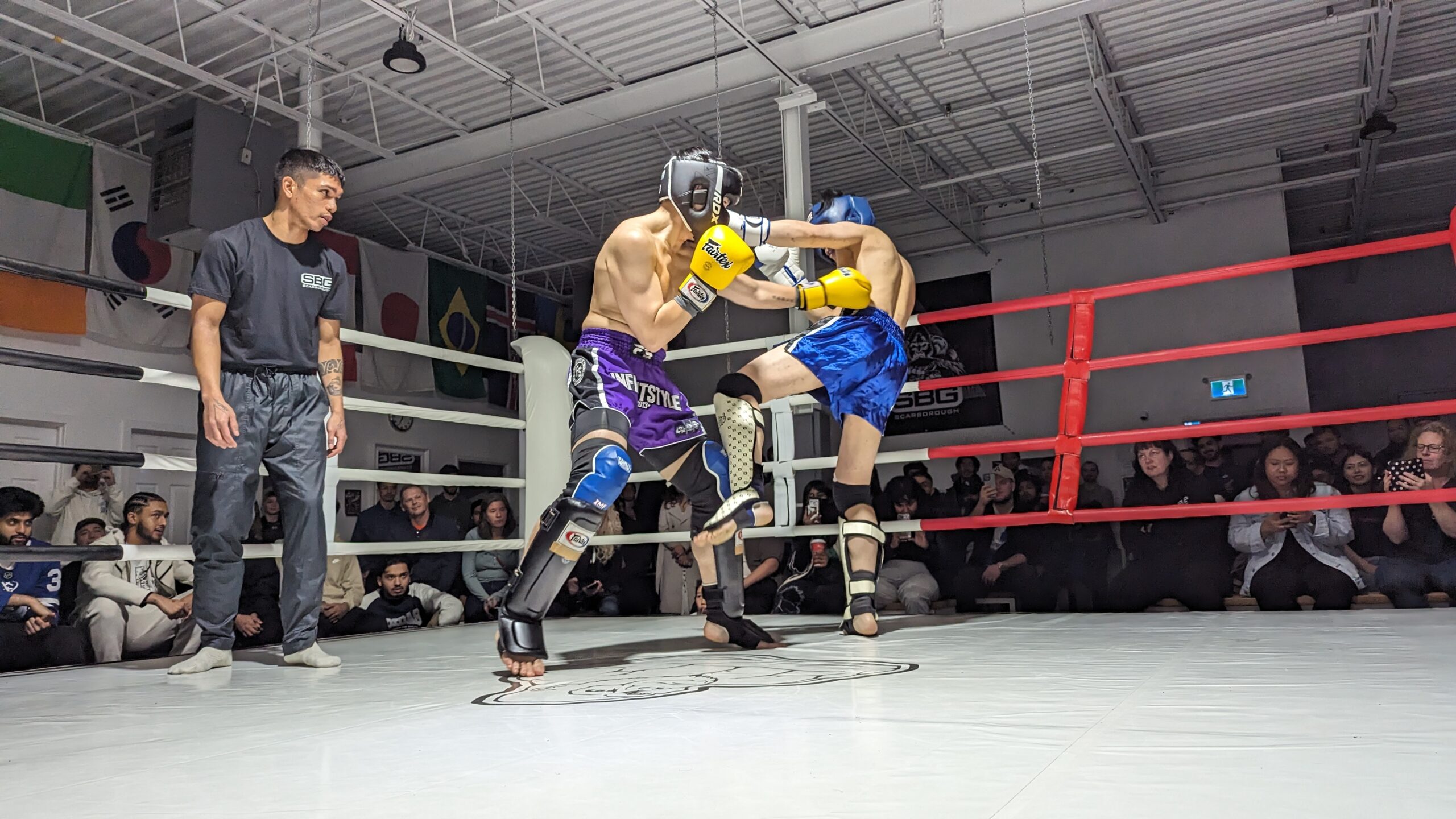
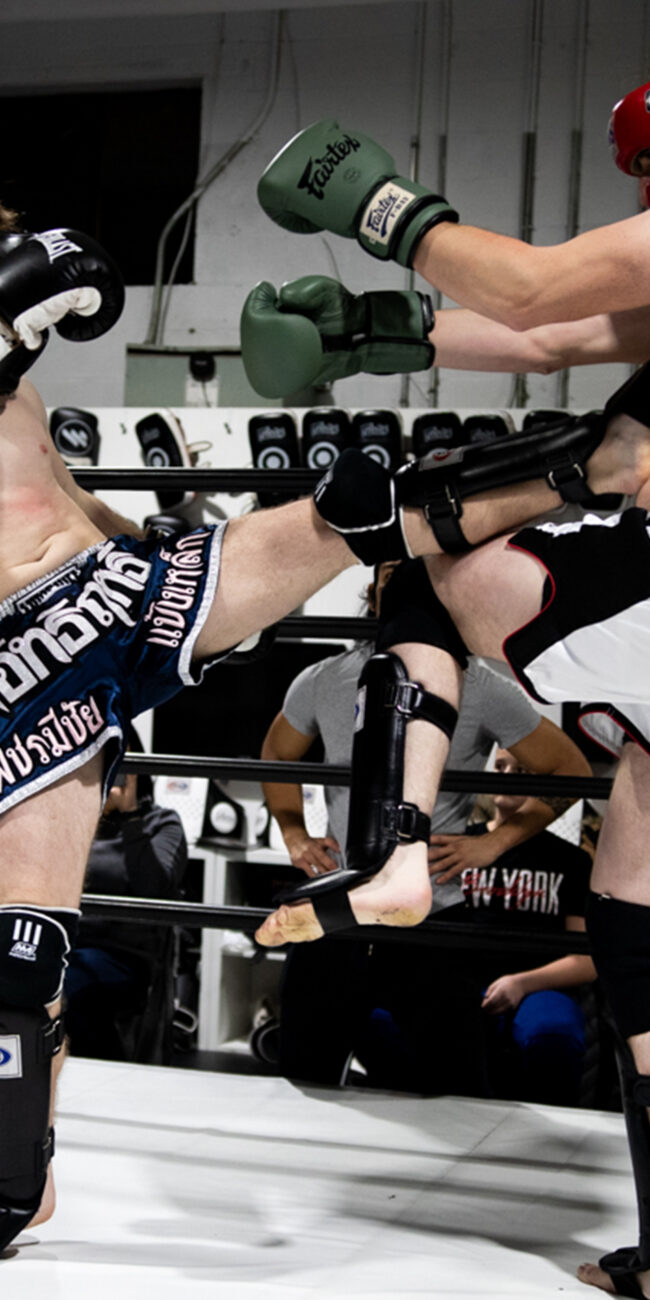
Muay Thai and Brazilian Jiu‑Jitsu emerged from a different lineage. They were shaped by pressure, by competition, by the need to make techniques work against someone who is resisting with full intent. In Muay Thai, students learn how to strike with power, timing, and balance — not by performing techniques in the air, but by hitting pads, bags, and eventually sparring partners. They learn how to manage distance, how to defend themselves, and how to stay calm under pressure. The art is alive, constantly adapting, constantly tested.
Karate gave generations of kids a place to start. Muay Thai and Brazilian Jiu‑Jitsu give people of all ages a place to evolve.
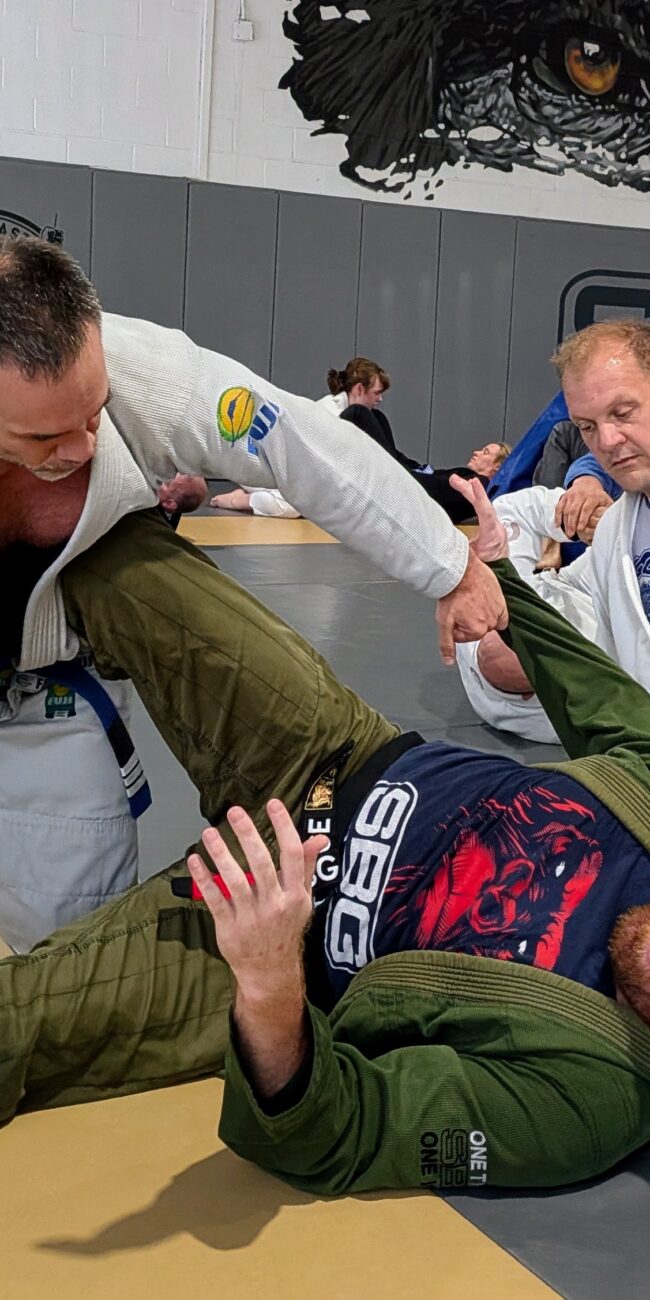
Brazilian Jiu‑Jitsu goes even further. It teaches students how to control an opponent using leverage instead of strength, how to escape bad positions, and how to neutralize someone larger or stronger. Every class includes live training, where students apply techniques against partners who are genuinely trying to stop them. This creates a level of realism that traditional Karate simply cannot replicate. It’s not about memorizing movements — it’s about understanding how bodies interact, how pressure works, and how to stay composed when things get difficult.
Adults don’t want forms or point‑sparring — they want skills that hold up under pressure, not just in a choreographed drill."
This is why adults gravitate toward Muay Thai and BJJ. Adults don’t want to perform forms or earn belts for memorizing sequences. They want skills that work. They want fitness that feels meaningful. They want confidence that comes from knowing they can handle themselves in unpredictable situations. And they want training that respects their time, their goals, and their desire for authenticity.
So why do so many kids still do Karate?
The answer is simple: Karate is designed for children, not adults. It’s marketed to parents, packaged neatly, and presented as a safe, structured environment where kids can learn discipline without the intensity of real combat sports. Parents often choose Karate because it feels familiar — something they grew up seeing, something that seems gentle enough for young children. The belt system provides a clear sense of progress, and the classes are often built around keeping kids engaged rather than pushing them physically or mentally.
But as children grow older, many begin to sense the limitations. They realize that the techniques they’ve learned don’t translate well outside the dojo. They notice that sparring feels more like a game of tag than a real test of skill. And when they reach their teenage years — or when adults try Karate for themselves — the gap between tradition and practicality becomes impossible to ignore.
This is where Muay Thai and BJJ shine. They offer the same discipline, respect, and structure that parents value, but they also provide real, functional skills. Kids learn how to defend themselves against larger opponents, how to stay calm under pressure, and how to build confidence through genuine challenge. Adults find training that is physically demanding, mentally engaging, and deeply rewarding. And both groups discover something Karate rarely delivers: a community built around shared struggle, real progress, and authentic growth.
At SBG Scarborough, this philosophy guides everything we do. We teach martial arts that work — not because they look impressive, but because they hold up under pressure. We create an environment where beginners feel welcome, where kids learn real skills safely, and where adults find a training home that respects their goals and their time. Muay Thai and Brazilian Jiu‑Jitsu aren’t just more practical than Karate — they’re more honest. They reflect the reality of how people learn, how people grow, and how people build confidence that lasts.
Karate gave generations of kids a place to start. Muay Thai and BJJ give people of all ages a place to evolve.